Flu season comes around and suddenly everyone wants to know one thing: Which are the best homeopathic remedies for flu? Fair question. When you’re tired and feverish, and everything in your body seems to be actively fighting you in about half-dozen dimensions, what you do not want to do is wade through five thousand words of explanation.
At HomeoWorks, we see many flu cases annually and notice trends that repeat. So below, we break down the most common ones and explain trends.

How Do We Look at Flu in Classical Homeopathy?
Homeopathy doesn’t work the way conventional medicine does. We don’t match remedies to the name flu. We match remedies to the symptoms of the person who has the flu.
Two people can have the same virus but completely different experiences. One person is hot and restless, pacing around the house. Another is freezing under blankets and can’t keep their eyes open. Someone else gets hit with bone-deep aches that make walking painful.
That’s why there isn’t just one remedy for the flu. There are actually dozens, but a handful are common because the patterns show up frequently. When people ask us which homeopathic remedies for flu are most used, this is what they really want: the handful that cover real-world, everyday flu patterns, not long remedy lists that confuse them.
Here they are, the six remedies we see the most in our practice.
Most Common Homeopathic Remedies for Flu
1. Gelsemium — For Slow, Heavy, Weak Flu
Gelsemium is a big, classic flu remedy. The picture is recognizable. People come in saying they feel heavy, slow, and drained—as is they’re moving through thick air.
Signs that point toward Gelsemium
- Zero energy, barely able to sit up
- Eyelids half-closed—too weak to keep them open
- Dull headache that’s better after urinating
- Chilly sensation moving up and down the spine
- Thirstlessness
This is one of the most consistently used homeopathic remedies for flu simply because this “drowsy and dull” flu shows up frequently.
2. Bryonia — For Painful Flu That Gets Worse When You Move
Bryonia is for a flu in which every movement makes things worse. You try to move and the pain says “nope.” This remedy fits the person who just wants to lie in one position and not be bothered.
Typical signs
- Very irritable when disturbed; wants to be left alone
- Pain is worse with any movement
- Better from pressure like holding the chest when coughing
- Dry mouth, dry lips—dryness in general
- Better from cool air and worse in warm rooms
- Tremendous thirst for large amounts of cold drinks
This one is also a major part of my blog post on acute fever because Bryonia fevers tend to be hot, dry, and worse at night.
3. Eupatorium — For Flu with “My Bones Are Breaking” Pain
We see this more often than people expect. Eupatorium is for those deep, unbearable bone aches. When someone tells us, “It feels like my bones are broken” we know where this is going.
Common clues for Eupatorium
- Moans during chill or fever
- Severe bruised pain in muscles and bones feel broken
- Aches worse from movement
- Head feels heavy, hard to lift it up
- Tickling cough, must hold the head when coughing
- Great thirst for cold drinks
It’s one of the most overlooked homeopathic remedies for flu, but in real practice it comes up because the “broken” bone pains are very specific.
4. Arsenicum — For Flu with Restlessness and Anxiety
Arsenicum is for the flu pattern where the person cannot relax. They’re cold, weak, restless, tossing adjusting, shifting every few minutes, and often anxious on top of that.
Signs that jump out at us
- Anxiety and restlessness
- Doesn’t want to be alone
- Weak and exhausted
- Burning sensations (even if the person feels cold)
- Chilly, needs to be warm but can’t stay warm
- Symptoms are worse from midnight to 3:00 am
- Thirst for small sips of warm drinks
This is also one of the most used homeopathic remedies for fever remedies when someone has fever + anxiety, + restlessness, all mixed.
Feel like the flu is dragging you down? Get a personalized homeopathic plan for faster recovery with expert guidance.
5. Belladonna — For Sudden High Fevers, Hot Skin, Red Face
Belladonna is sharp, fast, and intense. People who need it don’t get the slow “I’m getting sick” feeling; they go from fine to fiery in what seems like minutes.
Belladonna clues
- Sudden high fever, worse after midnight
- Hot head or face with cold extremities, especially feet
- Throbbing headache, worse when coughing
- Sensitivity to light or noise
- Thirsty, craves lemons or lemonade
Because of its strong fever picture, it’s one of the most talked-about homeopathic remedies for fever.
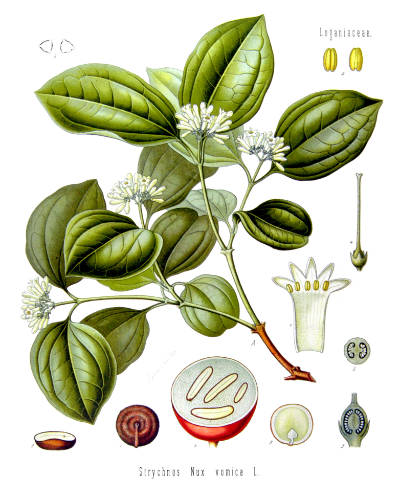
6. Nux vomica — For Flu that Is Sudden and Intense
Nux vomica flu is the type who works too much, too many late nights, too much coffee, too much alcohol—too much everything. When they get the flu, they are tense, irritable, and very reactive.
Signs you see with Nux vomica
- Irritability, chilly; worse from cold, better from heat
- Peaks of fever with chills alternating with low-grade fever
- Headache, heaviness of head
- Coughing on waking, better from warm drinks, worse from uncovering
- Strong chills, worse from from uncovering
- Gastric flu, includes nausea, vomiting or diarrhea
- Thirst during fever
It’s not the first thing people think of when they ask about homeopathic remedies for flu, but it shows up more often than you’d expect—especially in busy, stressed adults.
7. Oscillococcinum — A Quick-Start OTC Remedy
Even though we work with classical homeopathy, we can’t say Oscillococcinum isn’t popular. People use it all the time because it’s over-the-counter and generally easy to find.
A few things to know
- Works best when taken at the very first sign of flu
- More generalized, not symptom specific
- Often reduces intensity, but it’s not a classical “perfect match”
In our clinic, we treat it as a supportive option but not the main remedy unless the case is extremely early and vague.
How Does Fever Fit into Remedy Selection?
People ask us about homeopathic remedies for fever almost as much as they ask about flu itself. Fever isn’t a problem on its own; it’s just the body signaling something. But the type of fever matters.
- Sudden and intense? Belladonna jumps high on the list.
- Slow, exhausted, shivering? Gelsemium comes into view.
- Burning fever, but the person feels cold inside? Arsenicum fits that contradiction.
- Dry, hot fever with thirst? Bryonia.
We don’t chase the fever-degree number. We follow the whole picture. Fever is just one part of that picture, but it often gives us the first big clue.
Why Are These Remedies the Most Common?
At HomeoWorks, we don’t believe in one-size-fits-all remedies.
But if you look at many flu cases over the years, you see patterns that repeat. Some flus are heavy and slow: Gelsemium. Some are dry and painful: Bryonia. Some hit suddenly: Belladonna. Some dig deep into the bones: Eupatorium.
These patterns make some of the remedies the “most commonly used,” not because they cure every flu but because human bodies tend to respond in predictable ways under stress.
When Should You Seek Medical Care Instead?
Even though we practice classical homeopathy, we’re very clear about safety.
You should seek medical care if you experience
- Difficulty breathing
- Very high fever that doesn’t settle
- Confusion or disorientation
- Dehydration
- Symptoms lasting too long
- Symptoms escalating fast
Homeopathy and conventional medicine can work side-by-side when needed. There’s no competition, only what helps you recover safely.
Not sure which remedy fits your flu symptoms? Talk to us and get clear direction for safe relief.
FAQs
1. Can I take more than one homeopathic remedy for the flu at the same time?
It’s better to avoid mixing remedies without guidance. One well-matched remedy usually does a better job than several ones combined.
2. How fast do homeopathic remedies work?
If the remedy closely matches your symptoms closely, improvement may appear within hours. If nothing changes, the remedy might not be the correct one.
3. Are these remedies safe for children?
Most homeopathic remedies for flu are considered safe for kids when used under professional guidance. Do not self-medicate for very young children.
4. Should I stop regular medicine if I start homeopathy?
No. Continue your prescribed medicine unless your doctor advises otherwise. Homeopathy can be used along with other treatments.